Hypertension
High blood pressure, also called hypertension, occurs when the pressure inside your arteries remains higher than normal. Arteries carry blood from your heart to the rest of your body. When pressure stays high, it makes your heart work harder than it should.
Hypertension matters because it can quietly strain your blood vessels and organs. Without treatment, it increases the risk of heart disease, stroke, kidney disease, and other serious conditions. Many people feel well, so regular blood pressure checks are important.
Symptoms
Most people with hypertension have no symptoms. You can feel normal even when your numbers are high.
When blood pressure becomes very high, symptoms may include:
Headaches
Dizziness or feeling light-headed
Blurry or changed vision
Chest discomfort
Shortness of breath
Nosebleeds, though less common
These symptoms can have many causes. The only way to know your blood pressure is to measure it.
Call 9-1-1 right away if you have:
Chest pain
Sudden shortness of breath
Trouble speaking
Confusion
Weakness on one side of the body
Sudden vision loss
A severe headache unlike your usual headaches
These may be signs of a medical emergency.
Causes & Risk Factors
In many adults, no single cause is found. This type is called primary hypertension. It occurs when the arteries become stiffer and narrower, which increases resistance to blood flow. The heart must push harder to move blood forward, raising pressure inside the vessels.
Secondary hypertension has a clear medical cause. Possible causes include:
Kidney disease
Hormone disorders
Obstructive sleep apnea
Certain medications, such as some anti-inflammatory drugs, steroids, or birth control pills
Treating the underlying condition can improve blood pressure in some cases.
Risk Factors
Some risk factors can be changed. Others cannot.
Modifiable risk factors:
High salt intake
Low physical activity
Carrying excess body weight
Smoking
Heavy alcohol use
Chronic stress
Poor sleep
Non-modifiable risk factors:
Older age
Family history of hypertension
Male sex at younger ages and female sex after menopause
Hypertension is more common in some racial and ethnic groups, including Black adults. Social, environmental, and access-to-care factors all play a role.
Diagnosis
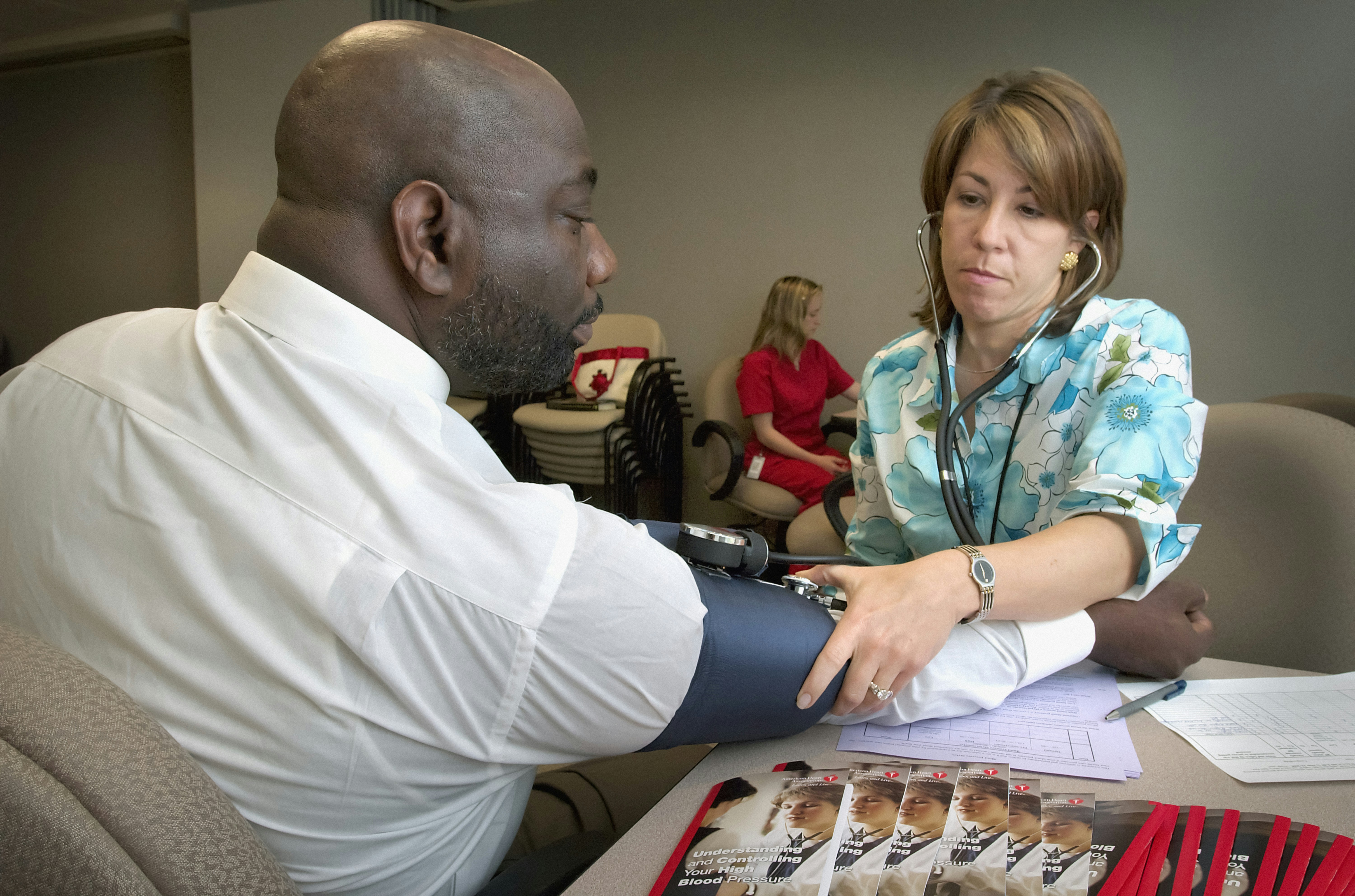
Clinicians diagnose hypertension by measuring your blood pressure with a cuff placed around your upper arm. The cuff gently tightens and records two numbers:
Systolic pressure, the top number, measures pressure when your heart beats.
Diastolic pressure, the bottom number, measures pressure when your heart relaxes.
A diagnosis usually requires elevated readings on more than one visit. Blood pressure can change during the day, so repeated measurements help confirm the pattern.
Your clinician may:
Check your blood pressure at several appointments
Ask you to monitor your numbers at home
Order blood or urine tests to look for related conditions
Check your heart with an electrocardiogram if needed
Home readings of 135/85 mm Hg or higher often support a diagnosis. In the clinic, readings of 140/90 mm Hg or higher on more than one visit commonly confirm hypertension.
Treatment
The goal of treatment is to lower blood pressure to a safer range and reduce the risk of heart, brain, and kidney disease. Your care plan depends on your numbers, overall health, and personal risk factors. Not everyone needs the same approach.
Lifestyle Changes
Healthy habits form the foundation of treatment.
Your clinician may recommend:
Reducing salt in your diet
Eating more vegetables, fruits, whole grains, and lean proteins
Being physically active most days of the week
Reaching and maintaining a healthy weight
Limiting alcohol
Stopping smoking
Improving sleep habits
Even small changes can improve blood pressure.
Medications
Many people need medication in addition to lifestyle changes.
Common types of blood pressure medicines:
Help relax and widen blood vessels
Reduce the amount of fluid in the body
Slow the heart rate
Block hormones that raise blood pressure
Your clinician will choose medication based on your health history and other conditions. Some people need more than one medication. Adjustments are common, especially early in treatment.
Procedures
Procedures aren't part of routine treatment for most people with hypertension.
If a specific condition causes high blood pressure, such as narrowing of a kidney artery, a procedure may be considered. These cases are uncommon and require specialist evaluation.
Living With/Prevention
Hypertension often requires long-term care. Many people manage it successfully with regular follow-up and healthy habits.
You can take an active role by:
Checking your blood pressure as recommended
Taking medications exactly as prescribed
Attending follow-up visits
Tracking your numbers at home
You may not feel different when your blood pressure improves. Regular monitoring helps confirm that treatment is working.
To help prevent hypertension or keep it controlled:
Choose lower-sodium foods
Maintain a healthy weight
Limit alcohol
Avoid tobacco
Manage stress in healthy ways
Small, steady steps can protect your heart and blood vessels for years to come.
Know Your Numbers. Protect Your Health.
Ask your clinician to check your blood pressure at your next visit. If you’ve been diagnosed with hypertension, talk about your treatment plan and whether home monitoring is right for you. Staying informed and engaged in your care can lower your risk of future complications.
References
American Heart Association. High blood pressure (hypertension). Accessed February 27, 2026.
American Heart Association. Monitoring blood pressure at home. Accessed February 27, 2026.
American Heart Association. Know your risk factors for high blood pressure. Accessed February 27, 2026.
American Heart Association. What are the signs and symptoms of high blood pressure? Accessed February 27, 2026.
Unger T, Borghi C, Charchar F, et al. 2020 International Society of Hypertension global hypertension practice guidelines. J Hypertens. 2020;38(6):982-1004.
Whelton PK, Carey RM, Aronow WS, et al. 2017 ACC/AHA/AAPA/ABC/ACPM/AGS/APhA/ASH/ASPC/NMA/PCNA guideline for the prevention, detection, evaluation, and management of high blood pressure in adults. Hypertension. 2018;71(6):e13-e115.
Newest Articles in
Hypertension

Men—Your Vascular Health Called. Time for a Checkup
Men's Health

Stress, Anxiety, and Your Circulation: Breaking the Cycle for Better Vascular Health
Circulation
High Blood Pressure: What it Is & Why it Matters
Newly Diagnosed Patients
Hot Topics in CTEPH: A Review of CTEPH Diagnostics, BPA, and IVC Filters
Newly Diagnosed Patients