Peripheral Artery Disease (PAD)
Peripheral artery disease (PAD) occurs when arteries that carry blood to the legs become narrowed. This reduces blood flow and limits how much oxygen reaches the muscles and tissues.
PAD most often develops due to atherosclerosis, a buildup of plaque in the arteries. Because atherosclerosis can also affect the heart and brain, PAD is more than a circulation problem in the legs. It is a sign of broader vascular disease and increases the risk of heart attack and stroke.
Symptoms
Many people with PAD don’t notice symptoms at first. When symptoms do occur, they often affect the legs.
Common symptoms may include:
Leg pain or cramping during walking or exercise (claudication) that improves with rest
Pain in the hips, thighs, or buttocks during activity
Leg weakness or fatigue
Coldness in the lower leg or foot
Numbness or tingling
Slow-healing sores on the toes, feet, or legs
Shiny skin or hair loss on the legs
In more advanced cases, pain may occur even at rest, especially when lying down.
Causes & Risk Factors
PAD develops when plaque builds up inside the arteries and narrows the blood vessels that supply the legs.
Causes
The main cause of PAD is atherosclerosis. Plaque forms when cholesterol and other substances collect along the artery walls. Inflammation and artery damage allow plaque to grow and restrict blood flow.
As arteries narrow, leg muscles may not receive enough oxygen during activity. This can lead to pain called claudication.
When narrowing becomes severe, blood flow may not meet the body’s needs even at rest.
Risk Factors
Some factors increase the likelihood of developing PAD.
Modifiable risk factors include:
Smoking
Diabetes
High blood pressure
High cholesterol
Physical inactivity
Overweight or obesity
Elevated lipoprotein(a), also called Lp(a)
Non-modifiable risk factors include:
Older age
Family history of heart disease or stroke
Personal history of heart attack or stroke
PAD is more common among Black people in the United States. Differences in access to care, blood pressure control, and other health conditions contribute to these patterns.
Diagnosis
Clinicians diagnose PAD based on symptoms, a physical exam, and testing.
During the exam, a clinician may check pulses in your feet, examine your skin, and look for slow-healing wounds.
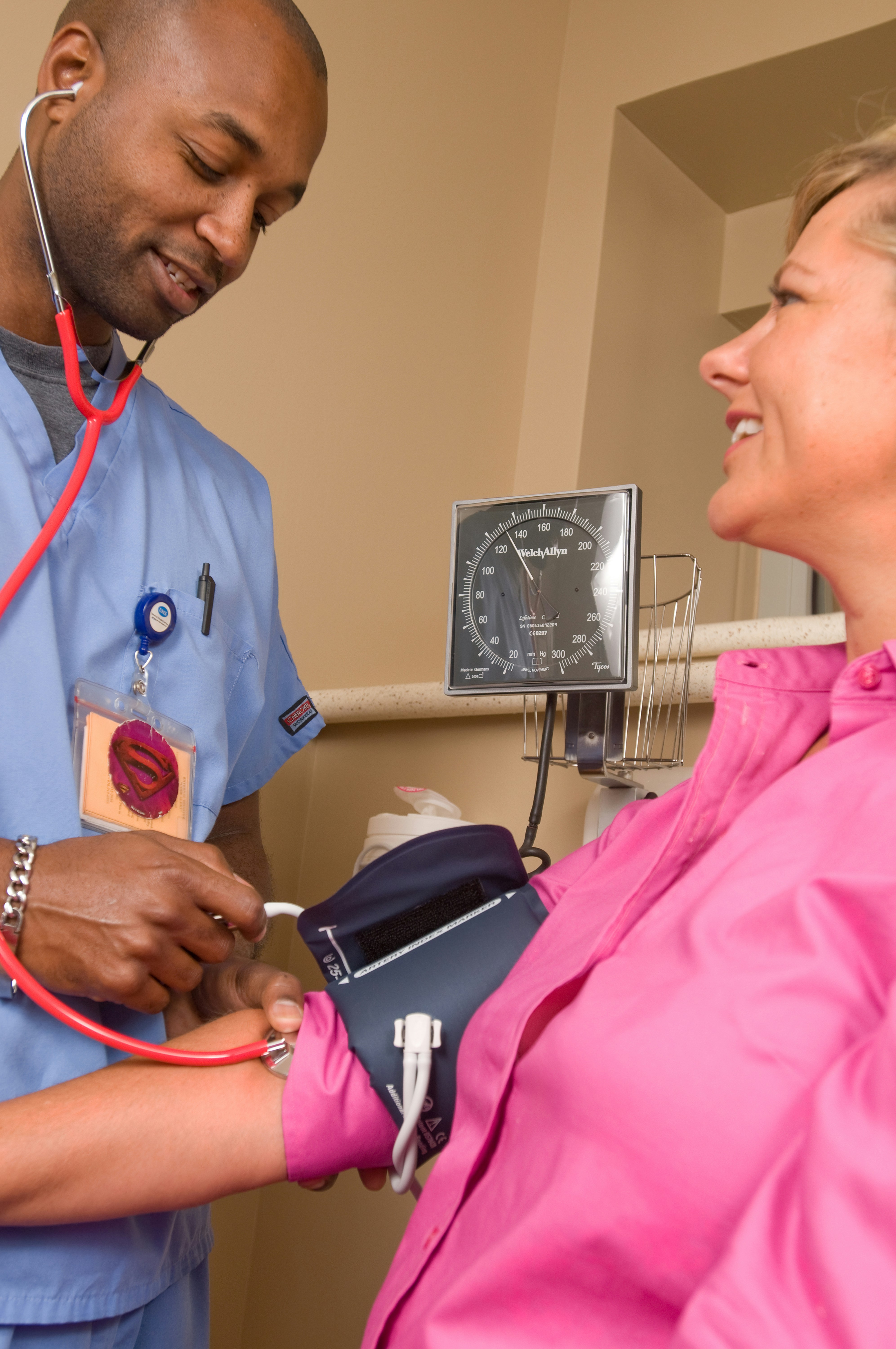
A common test for PAD is the ankle-brachial index (ABI). This test compares blood pressure in your ankle with blood pressure in your arm. A lower reading in the ankle can suggest reduced blood flow to the legs.
If more information is needed, additional tests may include:
Ultrasound to evaluate blood flow
CT or MRI imaging to look for narrowed arteries
Angiography to examine blood vessels more closely
Early diagnosis helps guide treatment and lower the risk of complications.
Treatment
Treatment focuses on improving symptoms, protecting limb health, and lowering the risk of heart attack and stroke.
Not every person with PAD needs the same treatment. Care depends on symptom severity and overall cardiovascular risk.
Lifestyle Changes
Lifestyle changes are the foundation of treatment.
Quitting smoking
Following a heart-healthy eating pattern
Participating in supervised exercise therapy
Walking regularly to improve circulation
Managing weight
Controlling blood pressure, cholesterol, and blood sugar
Structured walking programs can increase walking distance and reduce leg pain during activity.
Medications
Medications may lower cardiovascular risk and improve symptoms.
These may include:
Antiplatelet medications to reduce clot risk
Cholesterol-lowering medications
Blood pressure medications
Medications to improve walking distance
Diabetes medications, if needed
A clinician will tailor medication choices to your overall health and risk factors.
Procedures
If symptoms are severe or do not improve with lifestyle changes and medications, procedures may help restore blood flow.
These may include:
Angioplasty, sometimes with stent placement
Bypass surgery to reroute blood flow around a blocked artery
In advanced cases, treatment also aims to prevent tissue damage and reduce the risk of amputation.
Not everyone with PAD requires a procedure.
Living With/Prevention
PAD is a chronic condition that requires ongoing care. Managing leg symptoms and reducing cardiovascular risk are both important.
Regular follow-up visits help monitor circulation, adjust medications, and check for complications.
You can lower your risk of developing or worsening PAD by:
Quitting smoking
Staying physically active
Following a heart-healthy eating pattern
Managing blood pressure, cholesterol, and diabetes
Taking medications as prescribed
Checking your feet regularly for sores or wounds
PAD often occurs alongside other forms of artery disease. Protecting your heart and brain health also protects your legs.
With early treatment and consistent care, many people with PAD maintain mobility and quality of life.
Take Steps to Protect Your Circulation
Learn how lifestyle changes, medications, and regular follow-up can help manage PAD and lower your risk of serious complications. Explore practical steps you can take to support your leg, heart, and brain health.
References
American Heart Association. Symptoms of PAD. Accessed February 23, 2026.
American Heart Association. Prevention and treatment of PAD. Accessed February 23, 2026.
Centers for Disease Control and Prevention. About Peripheral Arterial Disease (PAD). Reviewed May 15, 2024. Accessed February 23, 2026.
Criqui MH, Matsushita K, Aboyans V, et al. Lower extremity peripheral artery disease: contemporary epidemiology, management gaps, and future directions: a scientific statement from the American Heart Association. Circulation. 2021;144(9). doi:10.1161/CIR.0000000000001005
National Heart, Lung, and Blood Institute. Causes and risk factors. Accessed February 23, 2026.
National Heart, Lung, and Blood Institute. Diagnosis. Accessed February 23, 2026.
Newest Articles in
Peripheral Artery Disease (PAD)
September is PAD and AFib Awareness Month!
Newly Diagnosed Patients