Stroke
Stroke is a serious condition that affects how the brain receives blood and oxygen. When part of the brain doesn’t get the blood it needs, brain cells can become damaged or die.
There are different types of stroke, including ischemic stroke, hemorrhagic stroke, and transient ischemic attack (TIA). Each type has different causes, but all require prompt medical attention.
Learning how to recognize symptoms, understand risk factors, and seek care quickly can make a meaningful difference in recovery and long-term health.
Types of Stroke
There are different types of stroke, depending on what disrupts blood flow to the brain.
Ischemic stroke
An ischemic stroke occurs when blood flow to the brain becomes blocked. Without blood flow, brain tissue doesn’t receive oxygen.
Hemorrhagic stroke
A hemorrhagic stroke occurs when a blood vessel in the brain breaks open and causes bleeding. The bleeding increases pressure in the brain and disrupts normal blood flow.
Transient ischemic attack (TIA)
A transient ischemic attack (TIA), often called a “mini stroke,” is a temporary blockage of blood flow to the brain. A TIA doesn’t cause permanent damage, but it can be a warning sign of a future stroke.
Symptoms
Stroke symptoms usually begin suddenly. The specific symptoms depend on which part of the brain is affected, but many strokes share common warning signs.
Common symptoms include:
Sudden weakness or numbness in the face, arm, or leg—especially on one side of the body
Trouble speaking or understanding speech
Sudden vision problems in one or both eyes
Difficulty walking, dizziness, or loss of balance
Severe headache without a known cause
Some symptoms may differ depending on the type of stroke:
Hemorrhagic stroke may be more likely to cause a sudden, severe headache, vomiting, or changes in alertness.
Transient ischemic attack (TIA) causes similar symptoms, but they resolve completely within a short period of time.
The acronym FAST can help people remember common stroke warning signs:
F – Face drooping
A – Arm weakness
S – Speech difficulty
T – Time to call 911
Stroke is a medical emergency. Anyone with possible stroke symptoms should seek immediate medical attention.
Causes & Risk Factors
A stroke occurs when blood flow to part of the brain is interrupted or when a blood vessel in the brain breaks. The cause depends on the type of stroke.
Causes of ischemic stroke
Ischemic strokes occur when a blood clot blocks an artery that supplies blood to the brain.
Common causes include:
Atherosclerosis: Plaque buildup in arteries can narrow blood vessels and increase the likelihood of blood clots.
Atrial fibrillation (AFib): This irregular heart rhythm can cause blood to pool in the upper chambers of the heart. When blood pools, clots can form and travel to the brain.
Small vessel disease: Long-term high blood pressure or diabetes can damage and narrow small arteries deep in the brain.
Causes of hemorrhagic stroke
Hemorrhagic strokes occur when a weakened blood vessel ruptures.
Common causes include:
High blood pressure: Blood pressure that remains high over time can damage and stiffen small arteries in the brain, increasing the risk of rupture.
Brain aneurysm: A weak or bulging area in a blood vessel can break open.
Arteriovenous malformation (AVM): An abnormal tangle of blood vessels can rupture.
Head injury: Trauma can cause bleeding in the brain.
Blood thinners: These medications reduce clotting and can increase the risk of bleeding. For many people, the benefits of preventing stroke outweigh the risks.
Risk Factors
Certain factors can increase the chances of having a stroke. Some are things you can control, while others you can’t control.
Medical conditions
High blood pressure
Atrial fibrillation
Diabetes
High cholesterol
Heart disease
Previous stroke or transient ischemic attack (TIA)
Lifestyle factors
Smoking
Physical inactivity
Excess alcohol use
Diets high in sodium or saturated fat
Obesity
Non-modifiable factors
Older age
Family history of stroke
Sex (risk patterns differ between men and women)
Race and ethnicity (some groups have a higher stroke risk)
Diagnosis
Stroke is a medical emergency. Clinicians begin evaluation immediately to determine whether a stroke is occurring and its type.
Diagnosis usually includes:
Physical and neurologic exam: To assess speech, strength, coordination, vision, and alertness.
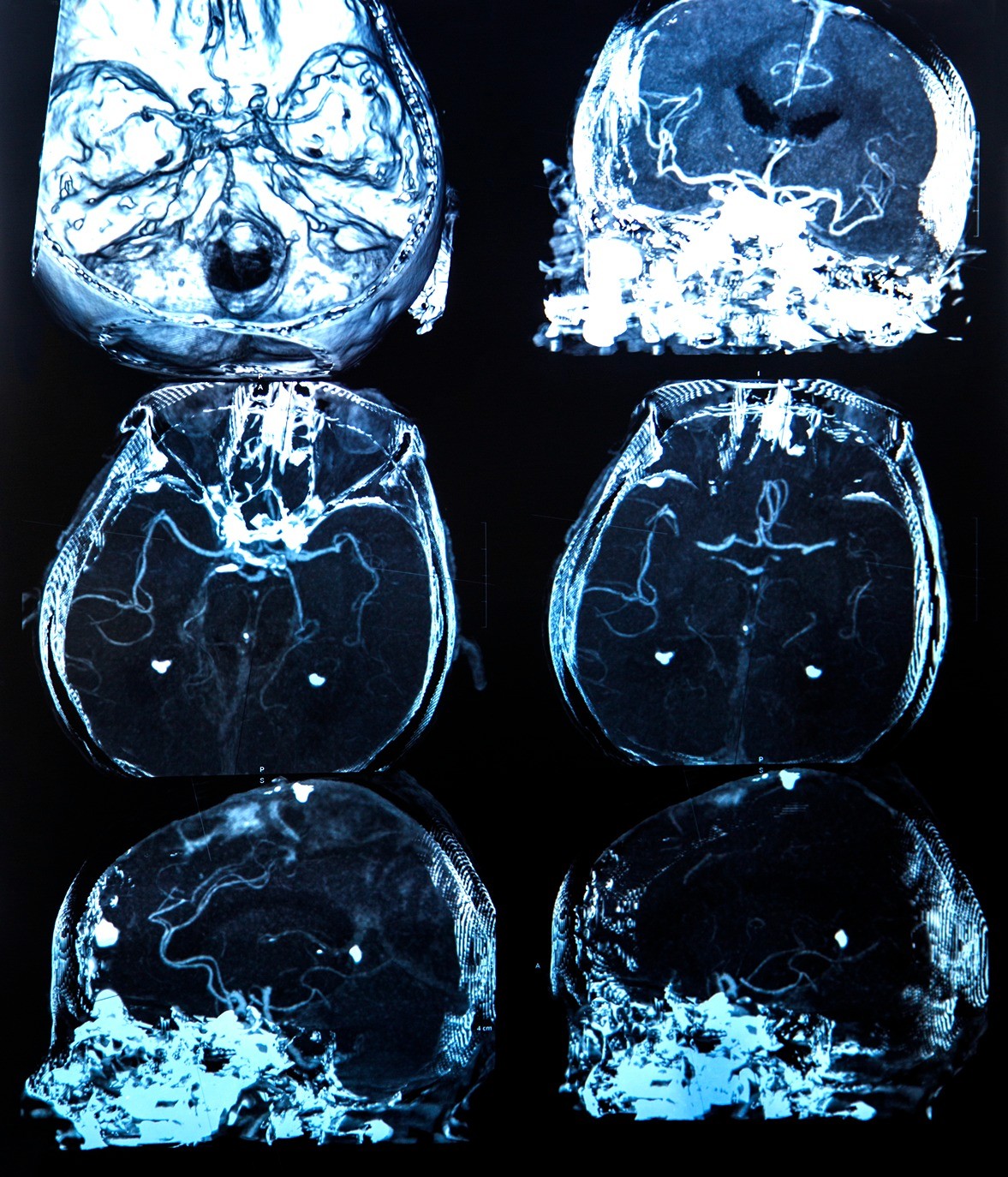
Brain imaging: A CT scan or MRI is used to determine whether the stroke is ischemic (blocked artery) or hemorrhagic (bleeding).
Blood tests: To check blood sugar levels, clotting function, and other possible causes.
Heart testing: An electrocardiogram (ECG) or heart monitor may be used to look for atrial fibrillation or other rhythm problems.
Vascular imaging: Imaging of the neck and brain arteries may be performed to identify blockages or narrowing.
Treatment
Stroke treatment depends on the type of stroke and how quickly care begins. Treatment focuses on limiting brain injury, restoring blood flow or controlling bleeding, preventing complications, and reducing the risk of another stroke.
Ischemic stroke
Ischemic stroke treatment focuses on restoring blood flow as quickly as possible.
Clot-busting medication (thrombolytics): These medications can dissolve certain clots when given within a limited time window.
Mechanical thrombectomy: In some cases, clinicians remove a large clot using a catheter inserted through a blood vessel.
Blood pressure monitoring and management
Medications to prevent future clots
Supportive hospital care
Not every patient receives all treatments. Care depends on timing, imaging findings, and individual health factors.
Hemorrhagic stroke
Hemorrhagic stroke treatment focuses on stopping bleeding and reducing pressure in the brain.
Blood pressure control
Reversal of blood thinners
Monitoring in intensive care
Surgical procedures, such as removing blood buildup or repairing a damaged blood vessel, when needed.
Treatment depends on the location of bleeding and the patient’s overall condition.
Living With/Prevention
Recovering from a stroke looks different for everyone. Some people regain function quickly, while others need ongoing therapy and support. Early rehabilitation can help improve strength, speech, coordination, and independence.
Rehabilitation may include:
Physical therapy: To improve movement, balance, and strength.
Occupational therapy: To help with daily activities such as dressing, eating, and bathing.
Speech therapy: To support communication and swallowing.
Emotional changes are also common after a stroke. It’s normal to feel frustration, anxiety, or sadness during recovery. Support from healthcare professionals, family, and community resources can make a difference.
Preventing another stroke is an important part of long-term care. Your healthcare professional may recommend:
Managing blood pressure
Controlling diabetes and cholesterol
Taking prescribed medications consistently
Following a heart-healthy eating pattern, such as a Mediterranean-style or lower-sodium diet
Quitting smoking
Limiting alcohol
Staying physically active in ways that are safe for you
Ongoing follow-up care helps monitor recovery and reduce future risk.
Learn the signs of stroke and how it’s treated
Explore warning signs, emergency steps, treatment options, and ways to lower your future risk.
References
American Stroke Association. Stroke symptoms. American Heart Association. Accessed February 20, 2026.
Centers for Disease Control and Prevention. Risk factors for stroke. Updated May 15, 2024. Accessed February 20, 2026.
Choi EY, Nieves GA, Jones DE. Acute stroke diagnosis. Am Fam Physician. 2022;105(6):616-624.
Hainsworth AH, Markus HS, Schneider JA. Cerebral small vessel disease, hypertension, and vascular contributions to cognitive impairment and dementia. Hypertension. 2024;81(1). doi:10.1161/HYPERTENSIONAHA.123.19943
MedlinePlus. Hemorrhagic stroke. National Library of Medicine. Updated August 17, 2023. Accessed February 20, 2026.
MedlinePlus. Ischemic stroke. National Library of Medicine. Updated August 17, 2023. Accessed February 20, 2026.
MedlinePlus. Stroke. National Library of Medicine. Accessed February 20, 2026.
MedlinePlus. Transient ischemic attack. National Library of Medicine. Updated August 17, 2023. Accessed February 20, 2026.
Unnithan AK, Das JM. Hemorrhagic stroke. In: StatPearls. StatPearls Publishing; Updated December 13, 2025. Accessed February 20, 2026.
Newest Articles in
Stroke
Ask The Expert – Preventing a Blood Clot After Stroke
Newly Diagnosed Patients