Womens Health

Womens Health

Symptoms

Diagnosis

Management

Prevention

What to Expect

Living Well

In the past, women’s cardiovascular symptoms were often under-recognized, leading many to be misdiagnosed or treated too late. Heart disease is the leading cause of death among women—claiming more lives each year than all cancers combined—yet signs often appear differently than they do in men.

A woman having a heart attack might feel fatigue, nausea, or pain in her back or jaw rather than the “classic” chest pressure. These subtle differences can delay diagnosis, but recognizing them can help you get the right treatment sooner.

Knowing your body and speaking up when something feels off can help you stay ahead of heart and vascular problems.

Women's health spans physical, emotional, and hormonal dimensions that evolve throughout your lifetime. From your reproductive years through menopause and beyond, every stage brings new changes—and new opportunities to protect your heart and vascular health.

Why women’s heart health requires specialized understanding:

  • Women’s symptoms of heart disease often differ from men’s.

  • Hormonal changes throughout life can influence cardiovascular risk.

  • Pregnancy and menopause both affect long-term vascular health.

  • Autoimmune conditions and chronic stress are more common in women.

  • Women are more likely to have symptoms dismissed or misdiagnosed.

Key health priorities include:

  • Managing blood pressure, cholesterol, and blood sugar.

  • Recognizing early heart and vascular warning signs.

  • Supporting hormone balance and bone health.

  • Prioritizing mental and emotional well-being.

  • Building consistent, trusting relationships with your care team.

Your health isn’t defined by one factor—it’s shaped by your hormones, life stages, and unique medical history. Awareness is the first step toward lasting balance and strength.

Newest Articles in

Womens Health

heart neon signage

Stress, Anxiety, and Your Circulation: Breaking the Cycle for Better Vascular Health

Circulation

selective focus photo of woman looking up

Hormones, Blood Clots, and Heart Health – What’s Menopause Got to Do With It?

Newly Diagnosed Patients
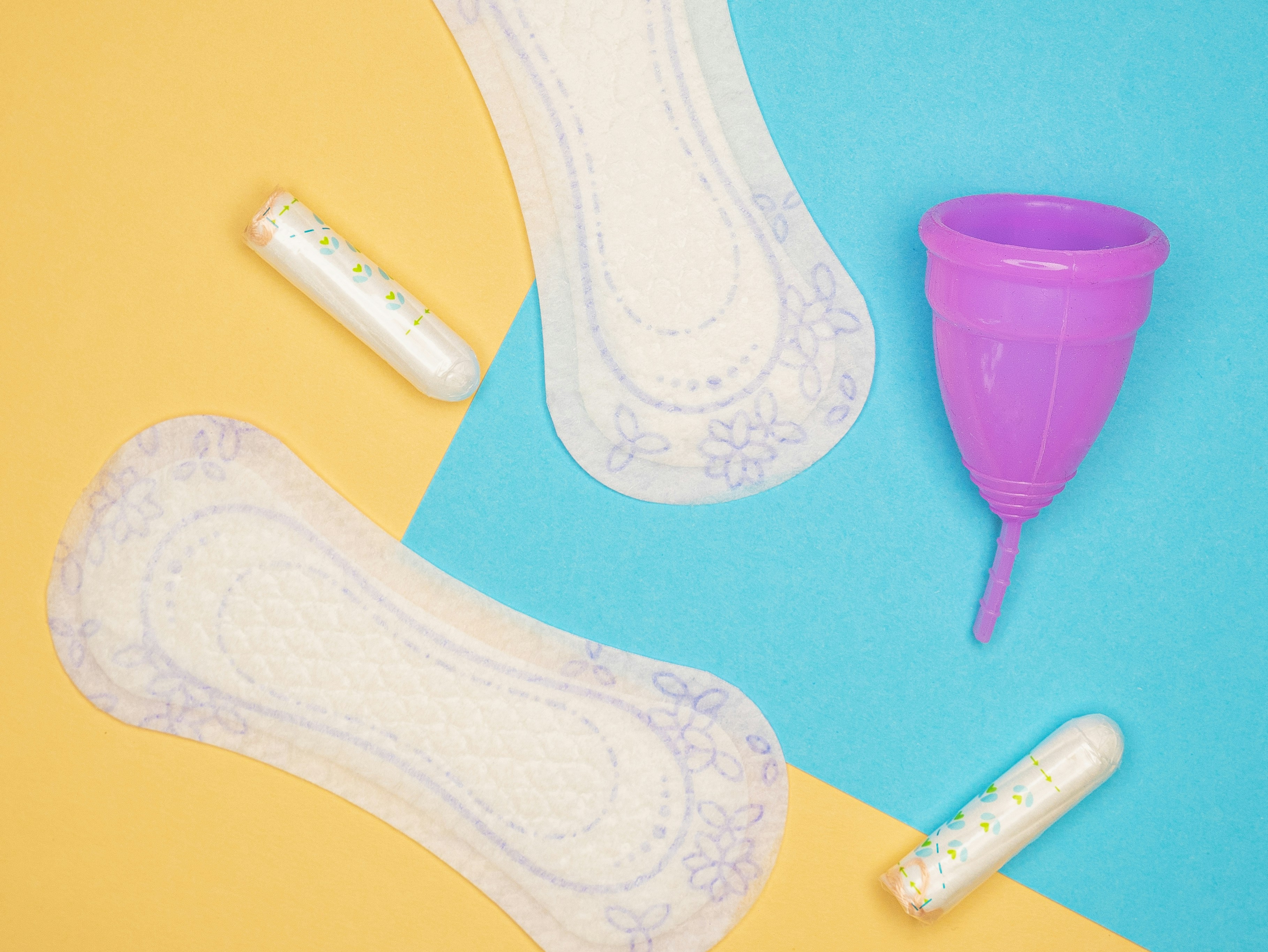
a pair of white socks and a purple cup on a blue and yellow background

Heavy Menstrual Bleeding While on a Blood Thinner

Newly Diagnosed Patients

a group of four pills sitting on top of a yellow surface

Bleeding and Blood Thinners: What to Know About Heavy Periods

Newly Diagnosed Patients

a toy man is walking in the snow

American Heart Month: How to Keep Active During the Colder Months

Newly Diagnosed Patients

a couple of women running down a dirt road

Women’s Heart Health: Cardiovascular Disease in Women

Newly Diagnosed Patients

Cardiovascular and Vascular Health

Heart and vascular disease remain leading health threats for women.
Many risks and symptoms look different from men’s and often go unrecognized.

Understanding these differences gives you a clearer picture of what to watch for and how to protect yourself.

Common conditions that affect women

Heart disease
Women may experience shortness of breath, unusual fatigue, nausea, indigestion, jaw or back pain, or a sense that “something isn’t right.” These symptoms can be easy to overlook and are sometimes misdiagnosed.

High blood pressure
Blood pressure may rise during pregnancy, perimenopause, or menopause. Women’s blood pressure may rise more easily after eating salty foods.

Blood clots (DVT/PE)
Risk increases with pregnancy, hormonal birth control, hormone therapy, long travel, surgeries, and certain autoimmune conditions.

Stroke
Women have a higher lifetime risk. Pregnancy complications and migraine with aura can contribute.

Peripheral artery disease (PAD)
Often mistaken for musculoskeletal pain. Look for leg pain with walking that improves with rest.

Warning signs you should never ignore

  • Unusual or overwhelming fatigue

  • Shortness of breath during normal activities

  • Chest pressure, tightness, or discomfort

  • Pain in jaw, neck, back, shoulder, or arms

  • Nausea, dizziness, or cold sweats

  • Rapid or irregular heartbeat

  • Leg swelling, warmth, or redness on one side

If you develop sudden chest pain, severe headache, difficulty speaking, or weakness on one side of your body, call 911 immediately.

Ways to protect your heart and blood vessels

Know your numbers:

  • Blood pressure

  • Cholesterol

  • Blood sugar/A1C

  • Waist measurement

  • Triglycerides

Build protective habits:

  • Move your body regularly—walking, swimming, dancing, or strength training

  • Eat a heart-healthy diet (Mediterranean or DASH-style)

  • Limit processed foods, sodium, and added sugars

  • Don’t smoke or vape

  • Keep alcohol to no more than one drink per day

  • Get quality sleep

  • Stay consistent with screenings

Special considerations for women

  • Pregnancy complications (preeclampsia, gestational diabetes, preterm birth) influence lifelong heart health

  • Conditions such as PCOS, endometriosis, and autoimmune diseases raise cardiovascular risk

  • Hormone therapy and birth control may affect clot risk—discuss your personal factors with a clinician

  • Migraine with aura can increase stroke risk

Understanding how your symptoms and risks may differ helps you get the care you need sooner—and that awareness supports better health moving forward.

Preventive Care and Screenings

Regular checkups help catch problems early, when they’re easiest to treat. But many women delay appointments because of busy schedules, caregiving responsibilities, or simply putting themselves last. Making preventive care a routine part of your life can protect your long-term health and well-being.

Recommended screenings by age

20s–30s

  • Blood pressure: At least once a year

  • Cholesterol & lipid panel: Every 4–6 years, earlier if you have risk factors

  • Diabetes screening: Every 3 years if you’re overweight or have a family history

  • Pap test: Every 3 years (ages 21–29)

  • Pap + HPV test: Every 5 years (ages 30+) or Pap alone every 3 years

  • Breast self-awareness: Know what’s normal for you

  • Clinical breast exam: Every 1–3 years

  • Mental health screening: Especially postpartum or during major life changes

  • STI screening: Based on sexual history

  • Skin exam: Check for new or changing moles

40s–50s

Everything above, plus:

  • Mammogram: Every 1–2 years starting at 40 (or earlier with family history)

  • Thyroid screening (TSH): If you have symptoms or family history

  • Cardiovascular risk assessment: Especially if you have high blood pressure, high cholesterol, or a strong family history

  • Colonoscopy: Starting at 45

  • Bone density baseline: If you have early menopause or additional risk factors

  • Perimenopause symptom monitoring: Track changes in cycles, mood, and sleep

50s–60s

Everything above, plus:

  • Bone density scan (DEXA): Every 2 years starting at 65—or earlier if postmenopausal with risk factors

  • More frequent cardiovascular monitoring: Blood pressure, cholesterol, blood sugar

  • Diabetes screening: Every 1–3 years

  • Hearing and vision tests

  • Lung cancer screening: If you have a history of smoking

60+

Continue all age-appropriate screenings, plus:

  • Vascular testing (ABI or ultrasound): If you have leg pain, swelling, or PAD risk factors

  • Cognitive screening: For changes in memory or thinking

  • Fall-risk assessment: Important for preventing fractures

  • Medication review: To avoid interactions or unnecessary medications

Additional screening considerations

  • Pregnancy history matters: Conditions like preeclampsia, gestational diabetes, or preterm birth increase long-term cardiovascular risk.

  • Family history: Early heart disease, stroke, breast or ovarian cancer on either side of your family may mean earlier or more frequent testing.

  • Genetic testing: Consider BRCA or other genetic testing if you have a strong family history of breast or ovarian cancer.

What to bring to appointments

  • List of all medications, supplements, and vitamins

  • Family health history—from both your mother’s and father’s side

  • Symptom diary if you’ve noticed changes in energy, sleep, mood, or physical symptoms

  • Your menstrual history and any past pregnancy complications

  • Questions written down so you don’t forget them during the visit

  • A support person if you’ve ever felt dismissed or unsure during appointments

Mental Health & Emotional Well-being

Women experience higher rates of anxiety, depression, and stress-related conditions, and these can directly affect your heart and vascular health. Stress hormones raise blood pressure and inflammation. Depression and anxiety can change sleep, appetite, and energy—making it harder to care for your physical health.

Common challenges many women experience

  • Higher rates of anxiety and depression

  • Postpartum mood changes

  • Mood shifts related to menstrual cycles

  • Stress during perimenopause and menopause

  • Caregiver responsibilities

  • Managing work, family, and household demands

  • Feeling pressure to “hold everything together”

Warning signs to take seriously

  • Persistent sadness or hopelessness

  • Loss of interest in things you usually enjoy

  • Trouble sleeping or sleeping too much

  • Changes in appetite or weight

  • Irritability, anger, or trouble concentrating

  • Physical symptoms without a clear cause

  • Anxiety that affects daily activities

  • Panic attacks

  • Thoughts of self-harm

If you ever feel unsafe or overwhelmed, call 988 for immediate support.

Ways to support your emotional health

Daily habits:

  • Aim for 7–9 hours of sleep

  • Move your body regularly

  • Spend time outdoors

  • Set boundaries and protect your time

  • Limit social media if it increases stress

  • Engage in activities that bring joy or calm

Connection and support:

  • Talk honestly with friends or family you trust

  • Join support groups for postpartum concerns, chronic illness, menopause, or caregiving

  • Ask for specific help when you need it

  • Spend time with people who help you feel understood

Professional help:

  • Therapy is a tool, not a last resort

  • Seek help if symptoms last more than two weeks or interfere with daily life

  • Talk to your clinician about treatment options

  • Look for specialists in postpartum mental health, trauma, or anxiety if needed

Caring for your emotional health supports your physical health, too. You deserve care that addresses both.

Hormones, Menopause and Vascular Health

Hormones play a major role in women’s cardiovascular and vascular health. Estrogen helps keep blood vessels flexible, supports healthy cholesterol levels, and influences how your body handles inflammation. As estrogen levels shift during perimenopause and menopause, your risk factors can change, too.

How hormonal changes can affect your cardiovascular health

As estrogen declines, many women experience:

  • Higher blood pressure

  • Rising LDL cholesterol

  • Lower HDL cholesterol

  • Increased triglycerides

  • Less flexible blood vessels

  • More weight gain around the midsection

  • Higher risk of heart disease and blood clots

Common symptoms during perimenopause and menopause

You may notice:

  • Irregular periods

  • Hot flashes or night sweats

  • Sleep disruptions

  • Mood changes or irritability

  • Difficulty concentrating

  • Joint pain

  • Vaginal dryness

  • Changes in libido

  • Heart palpitations

  • Headaches or migraines

  • Weight gain

  • Skin or hair changes

Daily habits that support vascular and overall health

  • Stay physically active, including strength training to protect muscle and bone

  • Follow a heart-healthy eating pattern such as Mediterranean or DASH

  • Limit sodium, added sugars, and highly processed foods

  • Maintain a healthy weight as metabolism shifts

  • Avoid smoking

  • Limit alcohol, which can worsen sleep and hot flashes

  • Prioritize sleep and talk with a clinician about persistent sleep problems

Monitoring and prevention

  • Track blood pressure at home and bring readings to appointments

  • Have your cholesterol checked annually after menopause

  • Monitor blood sugar, especially if you have additional risk factors

  • Get a bone density test at menopause if advised, or routinely starting at age 65

  • Stay current with mammograms and age-appropriate screenings

Treatment options to discuss

Hormone therapy (HT)

HT can reduce hot flashes, night sweats, and vaginal symptoms. It may offer cardiovascular benefits when started within 10 years of menopause and before age 60, but it is not right for everyone. Your age, personal history, type of hormones, dose, and route of administration all matter. HT is not recommended for women with a history of blood clots, stroke, certain cancers, or liver disease.

Non-hormonal treatment options

  • Vaginal moisturizers and lubricants

  • Some antidepressants for hot flashes

  • Gabapentin or pregabalin for nighttime symptoms

  • Cognitive behavioral therapy for mood and sleep concerns

  • Pelvic floor physical therapy

Urgent symptoms to report right away

  • Chest pain or pressure

  • Sudden shortness of breath

  • New or severe headaches

  • Vision changes

  • Leg swelling, redness, or warmth

  • Bleeding after 12 months without a period

  • Significant mood changes

If possible, look for a clinician trained in menopause care, such as someone certified by the North American Menopause Society (NAMS). Knowledgeable guidance helps you manage symptoms and protect long-term heart and vascular health.

Building Long-Term Healthy Habits

Staying healthy isn’t about making big, dramatic changes. It comes from small habits you can stick with every day. These routines support your heart, your vascular system, and your overall well-being as life gets busier and your needs shift.

Nutrition that supports your body

  • Choose colorful fruits and vegetables, whole grains, lean proteins, and healthy fats.

  • Limit processed foods, added sugars, and excess sodium.

  • Plan for real life—simple meals, batch cooking, and frozen produce all work.

  • Stay hydrated throughout the day.

  • Eating patterns like the Mediterranean or DASH diet are helpful for heart and vascular health.

Movement that fits your life

  • Aim for 150 minutes per week of activity, in whatever way works for you.

  • Strength training twice a week helps protect bone and muscle as you age.

  • Find activities you enjoy—walking, dancing, swimming, yoga, or gardening all count.

  • Make movement social when you can.

Sleep is essential

  • Aim for 7–9 hours each night.

  • Keep your bedroom cool, dark, and quiet.

  • Limit screens before bed.

  • Talk with a clinician if you struggle with sleep or suspect sleep apnea.

Routine healthcare

  • Keep your preventive appointments.

  • Take medications as prescribed.

  • Track your key health numbers.

  • Build care with clinicians who listen and take your concerns seriously.

Managing stress in realistic ways

  • Set boundaries around your time and energy.

  • Practice deep breathing, meditation, journaling, or time in nature.

  • Protect time for activities that bring you joy, not just productivity.

  • Therapy can be helpful for chronic stress or past trauma.

Your health and your family

When you take care of your own health, you influence your family’s well-being too. Modeling preventive care, regular movement, and stress management encourages others to do the same.

Community and Support

You don’t have to navigate your health alone. Support from other women, friends, and trusted groups can make it easier to stay consistent, manage challenges, and feel understood.

Why community matters

  • Connection reduces stress and improves emotional well-being.

  • Hearing other women’s experiences can help you recognize symptoms sooner.

  • Support makes healthy habits easier to maintain.

  • Shared understanding helps counter feeling dismissed or unheard.

  • Encouragement during major life stages—pregnancy, postpartum, menopause, illness—makes a real difference.

Ways to stay connected

Local options:

  • Heart-health and wellness programs

  • Walking or fitness groups

  • Support groups for postpartum health, menopause, chronic conditions, or caregiving

  • Community centers, YMCAs, and hospital programs

Online options:

  • Condition-specific support groups

  • Menopause and perimenopause communities

  • Pregnancy and postpartum forums

  • Caregiver networks

  • Women’s health organizations with educational resources

Using your voice

  • Share concerns and questions with people you trust.

  • Talk openly about symptoms, especially if you feel unsure or dismissed.

  • Encourage friends and family to get preventive care.

  • Exchange helpful resources, articles, and tools.

Building your own support network

  • Identify a few people you can be honest with about health concerns.

  • Find someone with similar goals to check in with.

  • Consider group classes or virtual meetings to stay engaged.

  • Build care relationships with clinicians who listen and take your symptoms seriously.

Supporting other women

  • Check in on friends during major life changes.

  • Offer specific help when someone is overwhelmed.

  • Listen without judgment.

  • Celebrate health wins—big and small.

Community strengthens confidence, promotes early action, and helps women feel seen and supported.

Invest in Your Health — It's Your Greatest Strength

Your heart, your hormones, your health — they all matter. You deserve care that listens, treatment that works, and time dedicated to your wellbeing.

Schedule your preventive screenings. Find providers who respect you. Connect with other women who understand. And remember: taking care of yourself isn't selfish — it's essential.

References

American Heart Association. (2023). Go Red for Women: Understanding Heart Disease in Women. Circulation.

CDC. (2023). Women's Health: Cardiovascular and Preventive Guidelines. cdc.gov

Mayo Clinic. (2023). Heart Disease in Women: Why It's Different.

North American Menopause Society. (2022). The 2022 Hormone Therapy Position Statement. Menopause.

NIH Office of Research on Women's Health. (2023). Sex and Gender in Health Research.

Garcia, M., et al. (2024). Cardiovascular Disease in Women. Journal of the American College of Cardiology.

American College of Obstetricians and Gynecologists. (2023). Cardiovascular Health and Pregnancy.