
Winter Heart Health: Protecting Yourself in the Cold
Last Updated
Feb 9, 2026
Winter Heart Health: Protecting Yourself in the Cold
Cold weather can affect more than just your comfort—it can also stress your heart and blood vessels. For people with heart disease, high blood pressure, or a history of blood clots, winter brings unique risks that are easy to overlook. From brisk morning walks to shoveling snow, even simple activities can make your heart work harder than usual.
Understanding how your body responds to cold temperatures can help you stay safe, recognize warning signs early, and protect your heart all season long.
The Effects of Cold Weather on Your Heart and Blood Vessels
Your body temperature needs to stay at around 98.6°F for your cells and vital organs to function properly. When you’re exposed to colder temperatures, your body tries to hold onto that warmth by activating the part of your nervous system that controls automatic responses, like tightening blood vessels. This reaction causes the blood vessels in your skin and muscles to tighten and become more narrow (vasoconstriction).
When your blood vessels tighten, it becomes harder for blood to flow. Blood pressure rises, and your heart has to work harder to push blood through those smaller pathways. For people with heart disease or high blood pressure, that added strain can trigger symptoms like chest discomfort or shortness of breath. Over time, or during sudden temperature drops, these changes can place extra stress on the heart.
Why Winter Activities Can Be Risky
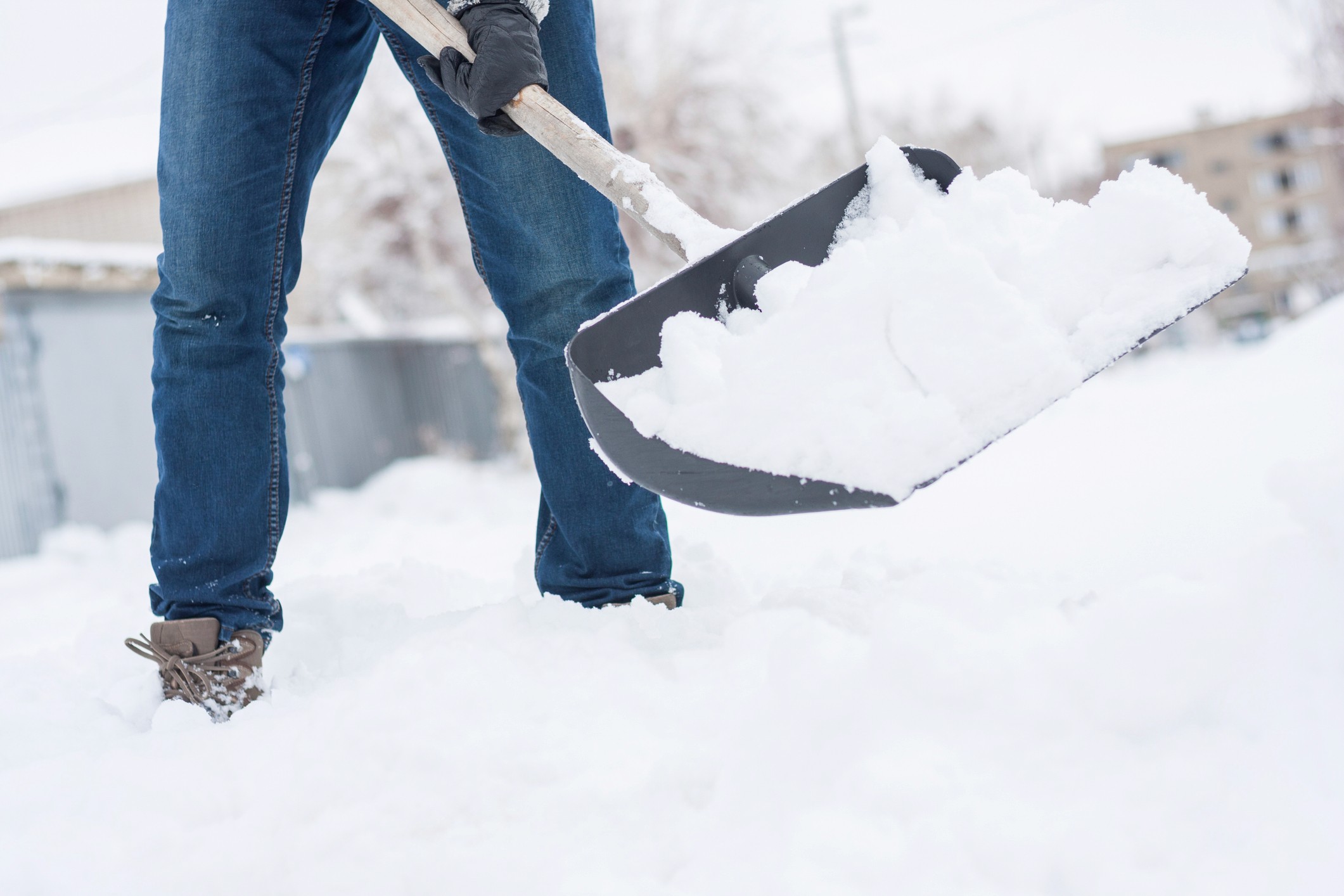
When shoveling snow, pushing a heavy load, or even walking briskly in cold air, your heart works harder because your body needs more oxygen during physical activity. At the same time, the cold signals your body to pull blood away from the surface to hold onto warmth.
With less oxygen available but increased demand, the heart can become overwhelmed, which can raise the risk of a heart attack or other cardiovascular event—especially in people who aren’t used to regular exercise or have a family history of heart disease.
Studies show that heart-related hospitalizations often rise after snowstorms, when sudden, strenuous activity in the cold sharply raises heart rate and blood pressure. Even healthy individuals can experience strain if they go from being inactive indoors to doing intense activity outdoors.
Who’s Most at Risk in Winter
Cold weather can increase cardiovascular strain for anyone, but certain groups are more vulnerable. You may face higher risk if you:
Have coronary artery disease
Have a history of smoking
Are older or less physically active
Live with high blood pressure, high cholesterol, diabetes, or obesity
Smart Ways to Protect Your Heart This Winter
Layer your clothing
Layer according to the weather and your activity. Start with a moisture-wicking base layer, add an insulating middle layer, and top with a wind- or water-resistant jacket if needed.
Protect your hands, feet, and head
Wear warm socks, a hat, and gloves or mittens. Avoid petroleum-based products on exposed skin—they don’t prevent frostbite.
Stay dry
Wet clothing pulls heat from your body faster. Change out of damp socks, gloves, or layers right away.
Warm up before activity
Move for a few minutes indoors to prepare your heart and muscles for the cold.
Avoid sudden, intense activity
Start slowly if you’ve been inactive. Cold weather can raise your heart rate and blood pressure quickly.
Stay hydrated and nourished
You may not feel as thirsty in cold weather, but your body still loses fluid. Drink water and eat balanced snacks to keep energy up.

When in Doubt, Listen to Your Body
You can stay active in cold weather—just be mindful of your limits. If you notice chest discomfort, shortness of breath, dizziness, or unusual fatigue, stop what you’re doing and call 911 right away. Quick action can make all the difference.
Staying active year-round is a great way to protect your heart and circulation. With a little planning like warming up, dressing for the conditions, and pacing your activity, you can protect your heart all winter long.
────────
References
Franklin BA, Thompson PD, Al-Zaiti SS, et al. Exercise-related acute cardiovascular events and potential deleterious adaptations following long-term exercise training: placing the risks into perspective—an update: a scientific statement from the American Heart Association. Circulation. 2020;141(13).
Merck Manual Consumer Version. Overview of the autonomic nervous system. Reviewed May 2025; revised July 2025.
Mugele H, Marume K, Amin SB, et al. Control of blood pressure in the cold: differentiation of skin and skeletal muscle vascular resistance. Experimental Physiology. First published October 7, 2022;108(1):38-49.
Ni W, Areal AT, Lechner K, et al. Low and high air temperature and cardiovascular risk. Atherosclerosis. 2025;406:119238.
Keep a Pulse on Progress
Explore our community and collaborate to build and utilize top-tier, trustworthy, and balanced medical education
