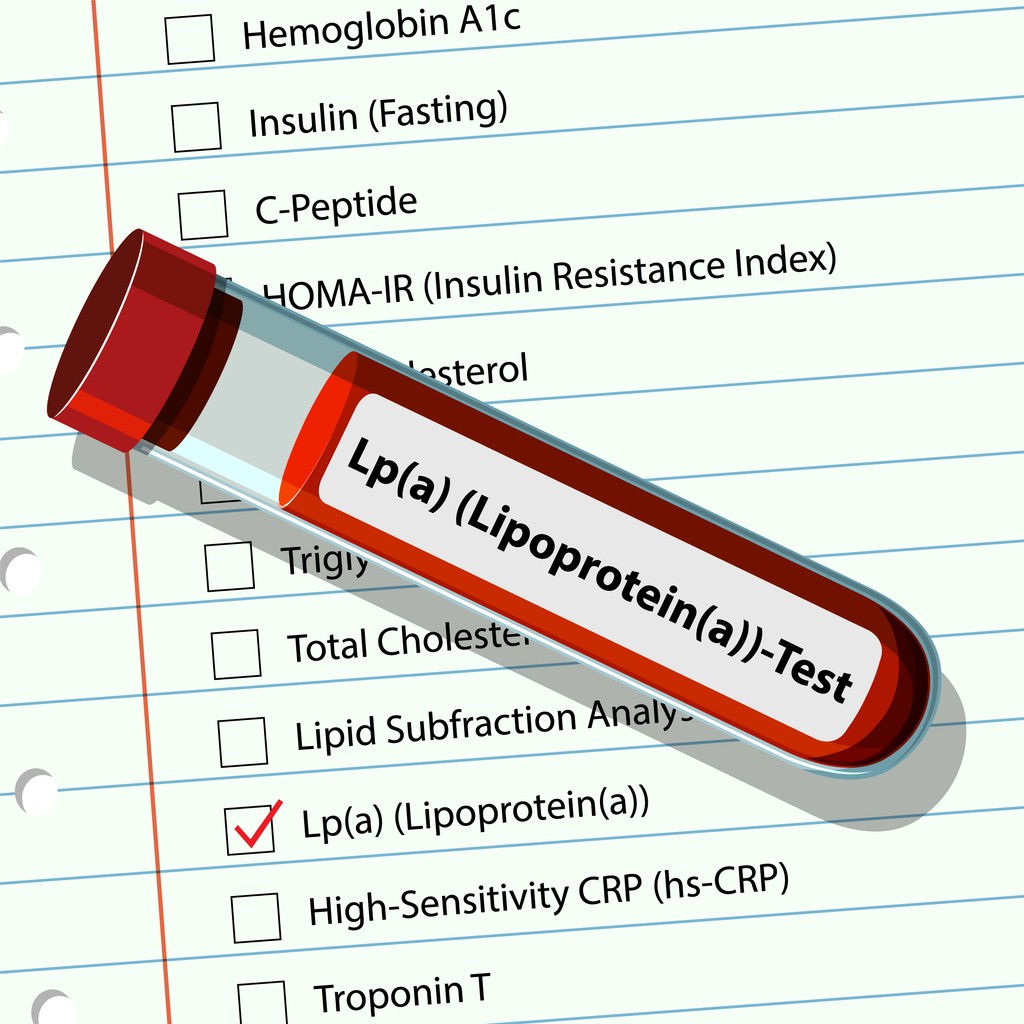
Lp(a): The Overlooked Risk Factor You May Not Know About
Last Updated
Apr 27, 2026
Lipoprotein(a), or Lp(a) (often pronounced “L-P-little-a”), is a type of cholesterol that many people have never heard of—but it can significantly affect your risk of heart disease and stroke.
Unlike other cholesterol levels, Lp(a) is determined by your genes and isn’t routinely included in standard cholesterol testing. Because it’s not always measured, many people may have elevated levels without knowing it.
Understanding what Lp(a) is—and whether it applies to you—can help you make more informed decisions about your long-term heart health.
Key Takeaways
Lp(a) is a genetically determined cholesterol particle. Your level is mostly set by your genes and usually stays stable throughout life
It behaves differently from LDL cholesterol and can contribute to plaque buildup, inflammation, and clotting risk
About 1 in 5 people have elevated Lp(a)
A level of 50 mg/dL (125 nmol/L) or higher is commonly considered elevated
Most people only need to test once
If your level is high, your care team may focus on lowering your overall cardiovascular risk

What Is Lp(a)?
Lp(a), or lipoprotein(a), is a type of cholesterol particle found in your blood.
It looks like LDL (“bad” cholesterol), but it has an extra protein attached. That extra protein changes how the particle behaves in your body.
Your Lp(a) level is mostly determined by your genes. A gene called LPA controls how much your body makes.
Why Does Lp(a) Matter?
Higher Lp(a) levels are linked to an increased risk of:
Heart attack: Blocked blood flow to the heart
Stroke: Blocked blood flow to the brain
Peripheral artery disease: Narrowed arteries that reduce blood flow to the legs
Aortic valve narrowing: A stiff or narrowed heart valve
Lp(a) is considered an independent risk factor, meaning it can increase cardiovascular risk on its own.
People with higher Lp(a) levels tend to have a higher risk of cardiovascular events.
Clinicians often use certain thresholds to help estimate that risk.
Because Lp(a) is genetic, knowing your level helps your care team better understand your overall cardiovascular risk.
Why Isn’t Lp(a) Routinely Discussed?
Lp(a) has historically been under-recognized in routine care. Standard cholesterol tests don’t always include it, and awareness has increased in recent years as more research has highlighted its role in cardiovascular disease.
Because it’s genetic and doesn’t respond to lifestyle changes the same way other cholesterol levels do, many people may not realize they are at risk.
How Is Lp(a) Different From LDL?
Lp(a) doesn’t just carry cholesterol. It behaves differently from LDL in several important ways.
LDL:
Adds cholesterol to plaque buildup in artery walls, which can narrow blood vessels
Stays in the bloodstream longer because your body doesn’t clear it easily
Carries inflammatory particles that can irritate artery walls
Interferes with clot breakdown in arteries
Is linked to aortic valve narrowing (LDL is not strongly linked to this condition)
Why this matters:
Even if your LDL cholesterol is well controlled, a high Lp(a) level can still increase your risk of heart disease.
Who Should Consider Testing?
Many guidelines recommend that adults have their Lp(a) level measured at least once. The test is simple and only requires a routine blood sample.
Testing may be especially helpful if you have:
Heart disease at a young age
A family history of early heart disease
Heart disease without typical risk factors
Familial hypercholesterolemia
Calcific aortic valve disease
Because Lp(a) is inherited, family members may also need testing if one person has high levels. Testing close family members in this situation is called cascade screening.
Most people only need to test once.

What Are Normal vs High Levels?
There is no single “normal” number. Risk rises gradually. However, experts use practical cutoffs to help guide care.
Lp(a) Risk Categories
Low: Less than 75 nmol/L
Intermediate: 75–125 nmol/L
Elevated: 125 nmol/L or higher
Risk increases gradually as Lp(a) levels rise.
What Happens If Lp(a) Is High?
Currently, there are no medications on the market that directly lower Lp(a).
Instead, your care team focuses on lowering your overall cardiovascular risk, especially LDL cholesterol and other factors that increase your risk of heart attack and stroke.
Lifestyle changes do not lower Lp(a) itself.
But they can:
Lower LDL cholesterol
Improve blood pressure
Improve blood sugar
Reduce inflammation
Support a healthy weight
All of these help reduce your overall cardiovascular risk.
So even if your Lp(a) level stays the same, your total risk can still go down.
Cholesterol-lowering medications may also be recommended. New treatments designed specifically to lower Lp(a) are currently being studied in large clinical trials.
What You Can Do Next
Ask your clinician if your Lp(a) level has been checked.
Learn your number—most people only need to test once
Share this information with family members, especially if there is a history of early heart disease
Knowing your Lp(a) level can help you better understand your risk and take steps to protect your heart health.

References
Greco A, Finocchiaro S, Spagnolo M, et al. Lipoprotein(a) as a pharmacological target: Premises, promises, and prospects. Circulation. 2025;151(6). doi:10.1161/CIRCULATIONAHA.124.069210.
Reyes-Soffer G, Ginsberg HN, Berglund L, et al. Lipoprotein(a): A genetically determined, causal, and prevalent risk factor for atherosclerotic cardiovascular disease: A scientific statement from the American Heart Association. Arterioscler Thromb Vasc Biol. 2022;42(1). doi:10.1161/ATV.0000000000000147.
Tsimikas S. A test in context: Lipoprotein(a): Diagnosis, prognosis, controversies, and emerging therapies. J Am Coll Cardiol. 2017;69(6):692-711. doi:10.1016/j.jacc.2016.11.042.
Tsimikas S, Karwatowska-Prokopczuk E, Gouni-Berthold I, et al. Lipoprotein(a) reduction in persons with cardiovascular disease. N Engl J Med. 2020;382(3):244-255. doi:10.1056/NEJMoa1905239.
Keep a Pulse on Progress
Explore our community and collaborate to build and utilize top-tier, trustworthy, and balanced medical education
